Available Training Programmes

Free BLS Skills Primer for Pediatric Critical Care

last update on: 09/03/2025

Welcome to the BLS Essentials Module

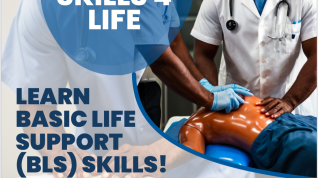
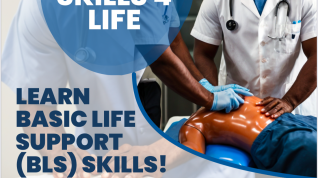
This introductory module provides a concise review of Basic Life Support (BLS) skills relevant to pediatric critical care. While not a substitute for full BLS certification, it serves as a vital primer for medical trainees preparing to engage in advanced pediatric critical care learning.

Aims

The aim of this module is to:

  • Reinforce essential resuscitation principles
  • Ensure learners share a common foundation before starting the Pediatric Critical Care Online Course
  • Provide an opportunity to visualize and review core BLS techniques through demonstration videos

Completion of this module will better prepare you to apply higher-level clinical reasoning during the critical care course, as all advanced interventions are built upon solid BLS principles.

Login or Register to participate in this programme.

Knowledge Assessment-Pediatric Critical Care Online

last update on: 01/22/2026

The purpose of  pre-course assessment is to test your baseline  knowledge of  pediatric critical care before beginning the online course modules. Pre-assessment is not meant to assign grades or evaluate performance, but rather to help both learners and instructors identify existing strengths and areas that may require more focus. For the instructor, the results highlight common knowledge gaps that can be emphasized during teaching. For the learner, the pre-test encourages self-reflection, primes key concepts, and provides a benchmark against which progress can be measured after completing the course. Therefore, the pre-assessment serves as a valuable diagnostic and motivational tool that guarantees a focused and effective learning experience.

PAYMENT

The sum of 30,000 Naira covers the following modules

  • Cardiovascular emergencies (septic, cardiogenic shock)
  • Respiratory emergencies (ARDS, hypoxemic , hypercabic respiratory failure)
  • Neurologic emergencies
  • Fluid,electrolytes and acid-base emergencies
  • Hematology-oncology emergencies
  • Antibiotic stewardship in pediatric critical care

Modules must be done sequentially. Start with free BLS primer; then pre-assessment before going to above listed modules

Login or Register to participate in this programme.

Introduction to Antibiotic Stewardship in Pediatrics

last update on: 01/22/2026
Login or Register to participate in this programme.

Pediatric Critical Care Online-Hematology-Oncology Emergencies

last update on: 01/22/2026

Course Aim

Equip participants with cognitive and clinical reasoning skills to rapidly assess, diagnose, and manage critically ill pediatric patients, using organ-system–focused simulated cases.

Learning Objectives

By the end of this course, participants will be able to:

  1. Identify and interpret key signs of pediatric critical illness in simulated scenarios.
  2. Formulate differential diagnoses based on history, exam, and investigations.
  3. Make timely and appropriate management decisions, justifying each intervention.
  4. Anticipate and interpret changes in patient condition following interventions.
  5. Communicate clinical reasoning clearly during simulated emergencies.

Module Structure

Each organ-system module includes:

  • Brief focused lecture (10–15 min) on key pathophysiology & clinical approach.
  • Case-based simulation (30–40 min) with real-time vital signs, labs, and imaging.
  • Decision points where learners choose actions (airway, fluids, drugs, etc.).
  • Debrief & takeaway points (10–15 min) — structured around learning objectives.
Login or Register to participate in this programme.

Pediatric Critical Care Online- Neurological Emergencies

last update on: 01/22/2026

Course Aim

Equip participants with cognitive and clinical reasoning skills to rapidly assess, diagnose, and manage critically ill pediatric patients, using organ-system–focused simulated cases.

Learning Objectives

By the end of this course, participants will be able to:

  1. Identify and interpret key signs of pediatric critical illness in simulated scenarios.
  2. Formulate differential diagnoses based on history, exam, and investigations.
  3. Make timely and appropriate management decisions, justifying each intervention.
  4. Anticipate and interpret changes in patient condition following interventions.
  5. Communicate clinical reasoning clearly during simulated emergencies.

Module Structure

Each organ-system module includes:

  • Brief focused lecture (10–15 min) on key pathophysiology & clinical approach.
  • Case-based simulation (30–40 min) with real-time vital signs, labs, and imaging.
  • Decision points where learners choose actions (airway, fluids, drugs, etc.).
  • Debrief & takeaway points (10–15 min) — structured around learning objectives.
Login or Register to participate in this programme.

Pediatric Critical Care Online-Fluid, Electrolytes & AKI

last update on: 01/22/2026

Course Aim

Equip participants with cognitive and clinical reasoning skills to rapidly assess, diagnose, and manage critically ill pediatric patients, using organ-system–focused simulated cases.

Learning Objectives

By the end of this course, participants will be able to:

  1. Identify and interpret key signs of pediatric critical illness in simulated scenarios.
  2. Formulate differential diagnoses based on history, exam, and investigations.
  3. Make timely and appropriate management decisions, justifying each intervention.
  4. Anticipate and interpret changes in patient condition following interventions.
  5. Communicate clinical reasoning clearly during simulated emergencies.

Module Structure

Each organ-system module includes:

  • Brief focused lecture (10–15 min) on key pathophysiology & clinical approach.
  • Case-based simulation (30–40 min) with real-time vital signs, labs, and imaging.
  • Decision points where learners choose actions (airway, fluids, drugs, etc.).
  • Debrief & takeaway points (10–15 min) — structured around learning objectives.
Login or Register to participate in this programme.

Pediatric Critical Care Online- Respiratory Emergencies

last update on: 01/22/2026

Course Aim:

Equip participants with cognitive and clinical reasoning skills to rapidly assess, diagnose, and manage critically ill pediatric patients, using organ-system–focused simulated cases.

Learning Objectives:

By the end of this course, participants will be able to:

  1. Identify and interpret key signs of pediatric critical illness in simulated scenarios.
  2. Formulate differential diagnoses based on history, exam, and investigations.
  3. Make timely and appropriate management decisions, justifying each intervention.
  4. Anticipate and interpret changes in patient condition following interventions.
  5. Communicate clinical reasoning clearly during simulated emergencies.

Module Structure:

  • Brief focused lecture (10–15 min) on key pathophysiology & clinical approach.
  • Case-based simulation (30–40 min) with real-time vital signs, labs, and imaging.
  • Decision points where learners choose actions (airway, fluids, drugs, etc.).
  • Debrief & takeaway points (10–15 min) — structured around learning objectives.
Login or Register to participate in this programme.

Pediatric Critical Care online- Cardiovascular Emergencies

last update on: 01/22/2026

Cardiovascular Emergencies

Core Topics

  • Recognition & initial stabilization of pediatric shock (hypovolemic, septic, cardiogenic, obstructive).
  • Interpretation of pediatric ECGs in acute settings.
  • Management of arrhythmias (SVT, VT, bradycardia).
  • Post-cardiac arrest stabilization principles.

Course Aim

Equip participants with cognitive and clinical reasoning skills to rapidly assess, diagnose, and manage critically ill pediatric patients, using organ-system–focused simulated cases.

Learning Objectives

By the end of this course, participants will be able to:

  1. Identify and interpret key signs of pediatric critical illness in simulated scenarios.
  2. Formulate differential diagnoses based on history, exam, and investigations.
  3. Make timely and appropriate management decisions, justifying each intervention.
  4. Anticipate and interpret changes in patient condition following interventions.
  5. Communicate clinical reasoning clearly during simulated emergencies.

Module Structure

Each organ-system module includes:

  • Brief focused lecture (10–15 min) on key pathophysiology & clinical approach.
  • Case-based simulation (30–40 min) with real-time vital signs, labs, and imaging.
  • Decision points where learners choose actions (airway, fluids, drugs, etc.).
  • Debrief & takeaway points (10–15 min) — structured around learning objectives.


Login or Register to participate in this programme.

CPR and First Aid Training for Transportation Emergency Preparedness

last update on: 12/01/2025

Course Objectives:

  • Recognize and respond to life threatening emergencies
  • Perform high quality CPR (1 & 2 Rescuers technique)
  • Provide First Aid for common workplace injuries
  • Apply scene safety & personal measures when responding to emergencies in transportation settings
  • Understand how to manage victims of road traffic accidents
Login or Register to participate in this programme.

Advanced Cardiac Life Support (ACLS) -Online Review

last update on: 09/13/2025

ACLS is a comprehensive course for healthcare providers managing adult cardiovascular emergencies, including cardiac arrest and stroke. The course emphasizes algorithm-based treatment, effective team dynamics and critical decision making

Course Highlights:

  • Recognition of Cardiac arrest rhythms (VT/VF, PEA, Asystole)
  • Adult coronary syndrome and stroke protocols
  • Adult resuscitation drugs and dosing
  • Airway management and defibrillation
  • Team roles in crisis situations

Target Audience:

  • Healthcare professionals in emergency and critical care settings


Prerequisite:

  • BLS Certification
  • Attendance of just concluded live training August 29

Venue:

Online platform

Login or Register to participate in this programme.

Pediatric Advanced Life Support (PALS)-Online Review

last update on: 09/18/2025

PALS is an advanced evidence -based course designed to prepare healthcare providers to manage critically ill infants and children, focusing on early recognition and intervention in respiratory failure , chock and cardiac arrest

Course Highlights:

  • Systematic Assessment of the Critically Ill Child
  • Management of respiratory distress and failure
  • Recognition and treatment of shock
  • Cardiac arrest algorithms
  • Team-based simulation training

Target Audience:

  • Physicians
  • Nurses
  • Allied health professionals involved in pediatric emergencies


Mode:

  • Online review (videos, MCQs, post-course-Survey


Login or Register to participate in this programme.

CPR Training for Lay Public

last update on: 12/01/2025

Learning Objectives

By the end of this course, participants will be able to:

  1. Describe the importance of early CPR and AED use.
  2. Perform high quality chest compressions at correct rate and depth
  3. Identify the signs of cardiac arrest and when to call for emergency help

Availability:

This course will available online from April 8th- July 1st, 2025. An online instructor led review will be available from April 19th. Live skills  training sessions will be available  from July through August in Lagos & Ibadan-Dates TBN. Payment of 15,000N (promotional rate) is by April 8th, 2025 is required before the online training session begins. 

Login or Register to participate in this programme.

ACQUIRE SPECIALIZED LIFE SAVING SKILLS

Learn all you need to know to save lives during emergencies
Register to start your Journey

Share this page

American Heart Association Aligned Instructor logo

Our lead instructor is AHA certified